
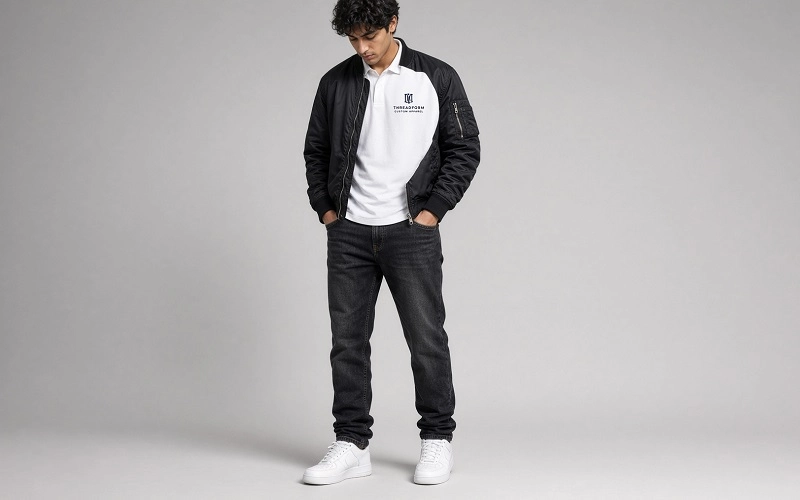
Clothing is one of the easiest ways to express personality, creativity, and individual style. While fashion trends continue to change, customized apparel has maintained its popularity because it allows people and businesses to create clothing that reflects their own preferences. From personalized work uniforms to promotional merchandise and everyday outfits, custom clothing offers opportunities to combine practical design with creative expression.
Modern fashion also encourages people to experiment with different clothing categories. Classic shirts, casual trousers, jackets, and accessories can all contribute to a distinctive appearance. The right combination of comfortable basics and statement pieces can create outfits suitable for different occasions.
Understanding fabric options, printing methods, garment construction, and styling choices can help individuals and businesses make better decisions when exploring customized apparel.
The Growing Popularity of Custom Clothing
Personalization has become an important part of the clothing industry. Many consumers prefer products that feel unique rather than relying entirely on standard designs. Businesses also use customized apparel to create a consistent visual identity and promote their brands.
Custom clothing can serve several purposes, including:
- Employee uniforms for businesses and organizations
- Promotional merchandise for marketing campaigns
- Team clothing for sports and community events
- Personalized gifts for friends and family
- Branded apparel for retail collections
- Clothing for special occasions and gatherings
The flexibility of customization makes it useful for both individual buyers and organizations. A simple garment can become more distinctive through carefully selected colors, logos, artwork, or printed messages.
Choosing the Right Garments for Custom Printing
Not every garment is equally suitable for every printing method. Fabric composition, surface texture, color, and construction can influence the final appearance of a design.
Before selecting clothing for customization, buyers should consider the intended artwork and printing technique.
Cotton garments are often considered for their comfortable feel and compatibility with several decoration methods. Polyester and blended fabrics may require different printing approaches depending on their composition.
The garment’s color is also important. Light-colored materials may work well for certain designs, while darker garments can require appropriate printing techniques to maintain visibility.
Why Blank Polo Shirts Are Popular for Customization
Polo shirts provide a practical foundation for customized clothing because their structured collars and simple silhouettes create a polished appearance.
They can be used for company uniforms, event merchandise, promotional campaigns, and team clothing. Their versatility also makes them suitable for different age groups and workplace environments.
Businesses exploring blank polos for printing should review fabric composition, garment weight, available colors, and sizing before choosing a suitable option.
It is also important to consider the intended decoration method. Screen printing, embroidery, heat transfers, and other techniques may produce different results depending on the fabric and design.
Preparing Artwork for Apparel Printing
A successful customization project begins with suitable artwork. Designs should be clear, appropriately sized, and compatible with the chosen printing process.
Some useful preparation tips include:
- Use high-resolution artwork whenever possible.
- Keep text readable and avoid unnecessarily complicated details.
- Choose colors that contrast effectively with the garment.
- Confirm the intended print placement.
- Request a sample or mockup when available.
These steps can help reduce design errors and improve the overall presentation of customized clothing.
Understanding Different Apparel Printing Methods
Printing technology offers several ways to customize garments. Each method has its own characteristics, making it important to choose according to the material, design, and project requirements.
Screen Printing
Screen printing is commonly used for larger apparel orders. It involves transferring ink through a prepared screen onto the garment.
This method can be suitable for designs with defined colors and consistent placement. It is often considered for promotional clothing, team apparel, and branded merchandise.
Direct-to-Garment Printing
Direct-to-garment printing applies specialized ink directly onto fabric. It can be useful for detailed artwork and designs with multiple colors.
Its suitability depends on the garment material and the printing equipment being used.
Heat Transfer Printing
Heat transfer methods use heat and pressure to apply a design to a garment. Different transfer materials and techniques are available for different customization needs.
This approach can be useful for smaller projects and selected personalized designs.
Embroidery
Embroidery creates designs using stitched threads rather than printed ink. It is frequently used for logos on polo shirts, caps, jackets, and workwear.
The raised texture can provide a distinctive appearance, particularly for simple logos and lettering.
The Importance of Quality and Garment Construction
Customization is only one part of a successful apparel project. The underlying garment also matters.
A well-designed print cannot compensate for poor fabric quality, uncomfortable sizing, or weak construction. Buyers should therefore evaluate the clothing itself before committing to a large order.
Important details include:
- Fabric composition
- Stitching and seam construction
- Collar and cuff finishing
- Garment weight
- Color consistency
- Size availability
Businesses should also consider how frequently the clothing will be worn and washed. The intended use can influence which fabric and decoration method are most appropriate.
Adding Statement Pieces to a Modern Wardrobe
Customized clothing does not have to be limited to uniforms and promotional products. It can also complement everyday fashion.
Modern wardrobes often combine simple essentials with distinctive outerwear and accessories. This approach makes it easier to create outfits that look interesting without becoming overly complicated.
A classic Black Bomber Jacket is one example of versatile outerwear that can complement different clothing styles. Its recognizable silhouette and neutral color make it easy to coordinate with casual shirts, denim, chinos, and sneakers.
Styling a Bomber Jacket with Customized Clothing
A bomber jacket can work particularly well with a customized T-shirt or polo shirt. The outerwear adds structure, while the personalized garment introduces individuality.
For a relaxed outfit, combine a plain or printed shirt with dark jeans and a black bomber jacket. Sneakers can complete the look.
For a more coordinated appearance, choose clothing colors that complement the jacket. White, grey, navy, and beige are useful options.
Creating a Balanced Streetwear Outfit
Streetwear styling often involves layering, relaxed fits, and distinctive accessories. A bomber jacket can serve as the main outerwear piece, while customized clothing adds a personal touch.
Avoid combining too many competing patterns or graphic designs. A simple shirt paired with a statement jacket can often create a cleaner and more balanced appearance.
Planning Custom Apparel Orders for Businesses
Businesses should approach custom clothing projects with a clear plan. Ordering garments without understanding the required quantities, sizes, and decoration methods can create unnecessary complications.
A structured process can make the project more manageable.
First, identify the purpose of the clothing. Employee uniforms may require different features from promotional merchandise or retail products.
Next, establish the expected quantity and size distribution. This helps buyers estimate costs and avoid ordering unnecessary garments.
Finally, review artwork, printing options, and garment samples where possible. Confirming these details before production can help prevent mistakes.
Common Customization Mistakes to Avoid
Several small oversights can affect the final result of a custom apparel project.
Choosing the wrong fabric: Not every printing method works equally well on all materials.
Using low-resolution artwork: Poor-quality files can affect the clarity of printed designs.
Ignoring garment colors: Some artwork may become difficult to see against particular backgrounds.
Ordering without checking sizes: A complete size breakdown is important for group orders.
Overcomplicating designs: Too many colors, graphics, or decorative elements can make clothing look cluttered.
Skipping samples: Reviewing a sample or mockup can help identify issues before a larger production run.
Careful preparation helps create a smoother customization process and produces clothing that better matches the original design expectations.
Conclusion
Custom apparel provides an effective way to combine creativity, functionality, and personal expression. From customized polo shirts for professional environments to statement outerwear for everyday fashion, different clothing categories offer opportunities to create distinctive looks.
Selecting suitable fabrics, preparing clear artwork, choosing appropriate decoration methods, and evaluating garment quality are all important parts of the process.
With thoughtful planning, customized clothing can support business branding, group identity, and individual style while remaining practical for everyday use.