
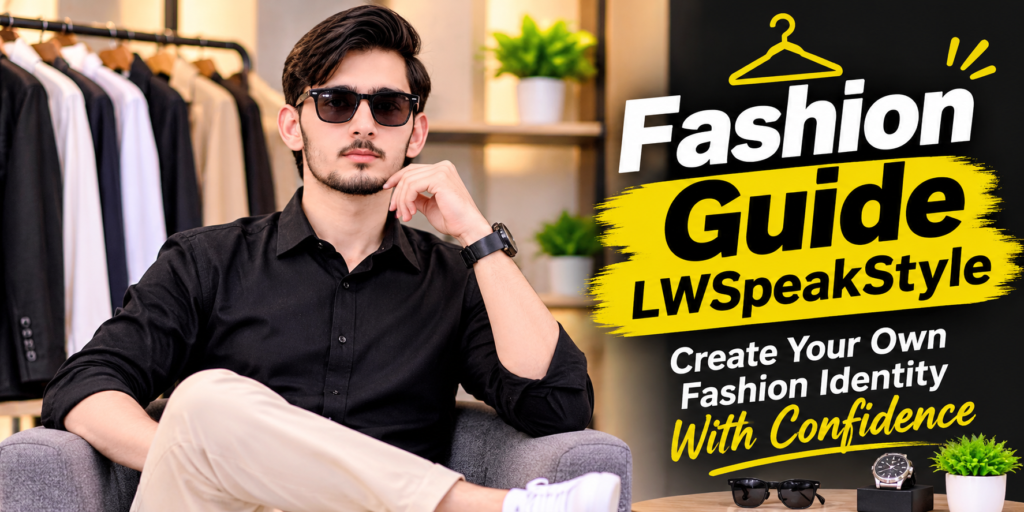
Fashion is not always about wearing the newest clothes or spending money on expensive brands. A well-developed personal style is built by identifying what feels comfortable, selecting outfits that fit your daily lifestyle, and expressing yourself with confidence. The Fashion Guide LWSpeakStyle approach is about making everyday fashion easier, more practical, and more personal.
Many people own plenty of clothes yet find it difficult to put together an outfit. This is often because they lack coordination rather than clothing options. When you understand how different colors, fabrics, and clothing styles work together, creating an attractive outfit becomes much easier. A few thoughtful decisions can completely change the way you dress without requiring a shopping spree.
Understanding Your Personal Fashion Identity
Your clothing choices communicate something about your personality before you even begin speaking. Some people enjoy relaxed outfits, while others feel more comfortable in formal or structured clothing. Neither approach is better than the other. The important thing is finding a style that feels natural to you.
Notice which clothing items you tend to choose most frequently. Notice whether you prefer neutral colors, oversized shirts, fitted trousers, simple accessories, or classic designs. These minor details can help you discover your personal style preferences.
You can also explore different styles without committing to an entirely new wardrobe. Try combining a casual shirt with tailored trousers or adding a lightweight jacket to a basic outfit. Experimentation allows you to discover new combinations while keeping your existing clothing useful.
Choosing Clothing That Fits Your Lifestyle
A wardrobe should support your daily routine rather than make it more complicated. Someone working in an office may need formal shirts and trousers, while a person who spends most of the day outdoors may prefer breathable fabrics and relaxed clothing.
Before purchasing anything, consider where and how you will wear it. Clothes that look appealing in a shop may not be suitable for your daily routine. Think about movement, weather conditions, comfort, and how frequently you will use the item.
The Fashion Guide LWSpeakStyle encourages thoughtful clothing decisions. Instead of buying something simply because it looks fashionable, choose pieces that fit your schedule and can be worn in several situations.
The Importance of Color Coordination
Colors can influence the entire appearance of an outfit. A well-balanced combination often looks more appealing than wearing several shades that compete for attention.
Neutral tones such as charcoal, cream, navy, olive, white, and brown are useful because they work with many other colors. These shades can form the foundation of a wardrobe, allowing you to introduce brighter colors whenever you want a different appearance.
For example, olive trousers can be paired with a white shirt for a clean daytime outfit. Navy clothing works nicely with light gray, while brown accessories can add warmth to black or cream combinations.
You do not need to follow strict color rules. Try different combinations in natural lighting and choose the ones that match your taste. Developing an eye for color takes practice, but it becomes easier when you start with simple combinations.
Building a Wardrobe Without Overspending
Creating a stylish wardrobe does not mean replacing everything you own. In many cases, reorganizing your existing clothes can reveal combinations you have never tried before.
Begin with items that are easy to mix and match. Plain shirts, comfortable trousers, denim, lightweight sweaters, and a suitable jacket can create numerous outfits. When clothing works together, you have more options without needing additional purchases.
A useful shopping habit is to consider the value of an item rather than only its price. Cheap clothing that loses its shape after a few washes may not be a good investment. Similarly, an expensive item is not worthwhile if you rarely wear it.
Look for quality stitching, comfortable material, dependable zippers, and fabric that feels suitable for your environment. Buying fewer items with a clear purpose can help you avoid unnecessary expenses.
How to Make Simple Outfits Look Better
An outfit does not need complicated designs to look attractive. Even the smallest details can have the greatest impact.
Begin with fresh, clean clothes and notice how each item fits your body. A shirt with properly adjusted sleeves, trousers with a suitable length, and shoes that match the outfit can create a neat appearance.
You can also use layering to add depth. Wearing an open shirt over a plain T-shirt or adding a jacket during cooler weather creates visual interest without making the outfit overly complicated.
Accessories should be selected carefully. A watch, belt, pair of sunglasses, or simple bag can complete your appearance. Avoid adding too many accessories at once because they may distract from the clothing itself.
Dressing for Different Occasions
Understanding which outfits are suitable for various occasions can save time and boost your confidence. Casual gatherings usually allow more freedom, making jeans, comfortable shirts, sneakers, and relaxed jackets suitable choices.
For professional environments, clothing with a cleaner structure can create a more organized appearance. Depending on the workplace, a button-down shirt, tailored trousers, and polished shoes may be appropriate.
Formal occasions often require greater attention to detail. Choose clothing that matches the event, check that everything fits properly, and make sure your shoes and accessories complement the overall outfit.
Weather is another factor worth considering. During hot months, lighter fabrics and breathable designs can make daily dressing more comfortable. In colder seasons, layering allows you to adjust your clothing as temperatures change.
Taking Better Care of Your Clothes
Maintaining your wardrobe is just as important as selecting the right items. Clothing that is clean, properly stored, and free from visible damage usually looks more presentable.
Read washing instructions before cleaning garments, especially delicate fabrics. Avoid unnecessary heat when drying clothing that may shrink. Hang shirts and jackets properly, fold knitwear carefully, and keep footwear clean.
Small repairs should not be ignored. Loose buttons, minor stitching problems, and damaged hems can often be fixed beforethey become larger issues. See more